
Introduction
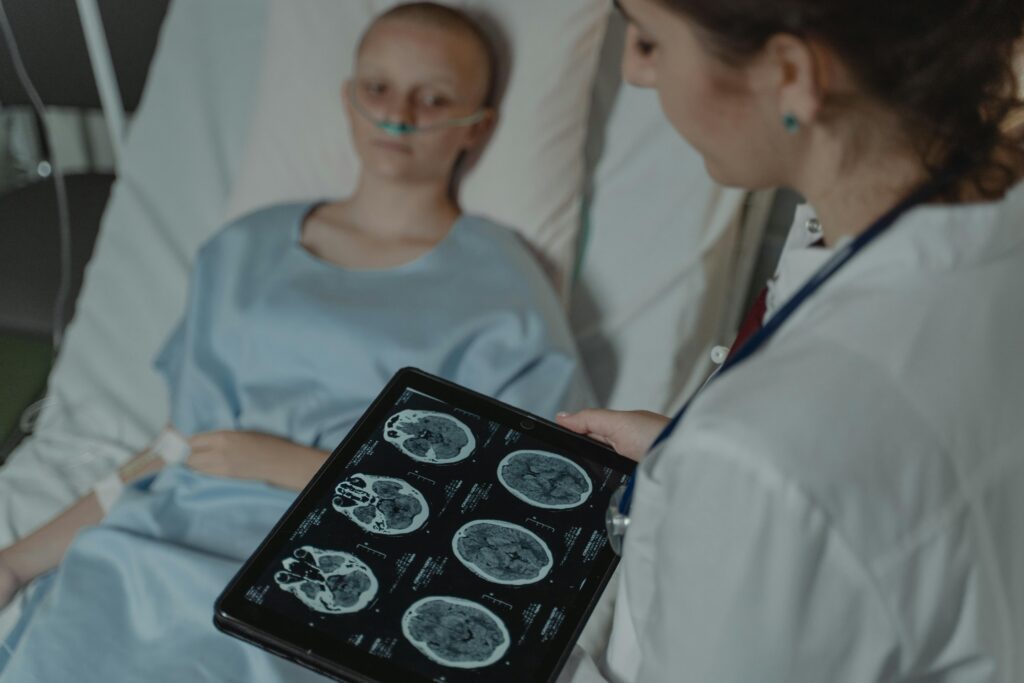
Brain tumors are abnormal growths of cells in the brain that can be either benign (non-cancerous) or malignant (cancerous). While some tumors grow slowly, others can spread aggressively, affecting brain function and overall health. Recognizing early symptoms, understanding diagnostic procedures, and exploring advanced treatment options can significantly improve patient outcomes.
Symptoms of Brain Tumors
The symptoms of a brain tumor vary depending on its size, location, and growth rate. Common signs include:
- Persistent Headaches – Often worse in the morning or after sleeping
- Seizures – Sudden involuntary movements, loss of consciousness, or muscle jerks
- Nausea and Vomiting – Unexplained nausea, especially in the morning
- Memory Loss and Cognitive Decline – Difficulty concentrating, confusion, or personality changes
- Vision and Hearing Problems – Blurred vision, double vision, or hearing loss
- Difficulty in Speech and Movement – Weakness or numbness in limbs, trouble walking, or slurred speech
If any of these symptoms persist, medical evaluation is crucial for early detection.
Diagnosis of Brain Tumors
Doctors use a combination of neurological exams and imaging tests to diagnose brain tumors accurately.
- Neurological Examination – Tests reflexes, coordination, muscle strength, and sensory response.
- MRI (Magnetic Resonance Imaging) – Provides detailed images of the brain to locate the tumor.
- CT Scan (Computed Tomography) – Helps detect tumors, swelling, or bleeding in the brain.
- Biopsy – A sample of the tumor is taken for laboratory testing to determine if it is benign or malignant.
- PET Scan (Positron Emission Tomography) – Helps assess tumor activity and progression.
Early diagnosis increases the chances of effective treatment and better recovery outcomes.


Advanced Treatment Options for Brain Tumors
The choice of treatment depends on factors like the tumor’s type, size, and location. Here are the latest advancements in brain tumor treatment:
1. Surgery
- Craniotomy – The most common procedure where a portion of the skull is removed to access and remove the tumor.
- Minimally Invasive Neurosurgery – Uses smaller incisions and advanced imaging to remove tumors with minimal damage.
2. Radiation Therapy
- External Beam Radiation – High-energy beams target the tumor to shrink or destroy it.
- Stereotactic Radiosurgery (Gamma Knife, CyberKnife) – A precise, non-invasive radiation therapy used for smaller tumors.
3. Chemotherapy
- Oral or Intravenous Drugs – Target and kill cancer cells.
- Targeted Therapy – Uses drugs that specifically attack tumor cells while sparing normal brain cells.
4. Immunotherapy
- Boosts the body’s immune system to recognize and fight tumor cells.
- Checkpoint Inhibitors – Help immune cells attack cancer more effectively.
5. Tumor-Treating Fields (TTF)
- A novel treatment that uses electric fields to disrupt cancer cell division, slowing tumor growth.
6. Gene Therapy & Personalized Medicine
- Researchers are exploring ways to modify genes to stop tumor growth.
- Precision Medicine – Uses genetic testing to customize treatment for each patient.
Preventing and Managing Brain Tumors
While some brain tumors have genetic causes, certain lifestyle changes may reduce risk and improve overall brain health:
- Healthy Diet – Include antioxidants, omega-3 fatty acids, and anti-inflammatory foods.
- Regular Exercise – Promotes good circulation and overall well-being.
- Avoiding Radiation Exposure – Limit unnecessary exposure to harmful radiation sources.
- Routine Medical Checkups – Early detection increases treatment success rates.
Conclusion
Brain tumors are a serious health concern, but advancements in medical science have improved diagnosis and treatment options. Early detection, expert medical care, and innovative therapies offer hope for patients and their families. If you experience persistent symptoms, seeking medical evaluation is essential for timely intervention and better outcomes.